
The NSPCC says it has seen an increase in reports about children being left home alone.
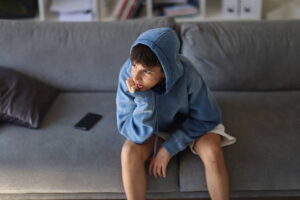 The national children’s charity says that contacts to its Helpline from adults concerned about children being left home alone or unsupervised increased by 11% over the last financial year, with concerns peaking during the school summer holidays.
The NSPCC Helpline received 7,452 contacts between 1st April 2025 and 31st March 2026 from adults with concerns about a child being left on their own. This compares to 6,700 similar contacts during the previous year.
Concerningly, more than two fifths (44%) of these reports were deemed serious enough for the Helpline to make a referral to external agencies, such as children’s services or the police, for intervention or support.
In addition, over a third of the referrals (35%) were made for children aged five and below.
Concerns about children being left home alone peak during summer holidays
 The NSPCC highlights the fact that its Helpline handled the greatest number of contacts about children being left home alone during July and August 2025, with 793 and 871 contacts respectively.
This coincides with the six-week school summer holidays in the UK, which the charity acknowledges can be “particularly difficult for parents as they are forced to balance the competing pressures of work and childcare.”
With this year’s summer holidays fast approaching, the NSPCC says that many parents might “feel unsure about whether their child is ready to be left unsupervised or have concerns about another child being left alone.”
Guidance for leaving children home alone
 The charity advises that there is no set legal age limit for leaving children home alone, but they recommend that parents and carers do not leave children aged under 12 at home alone. Parents must judge if children aged 12 or older are capable and comfortable with being left unsupervised.
Adults should also listen to children; if they express worries about being left without a parent or carer, these should be taken seriously and respected.
The Head of the NSPCC Helpline, Kam Thandi, recognises that the long summer school holiday can pose “a logistical nightmare” for working parents and suggested: “Managing these pressures may lead some to consider whether leaving their child at home alone is a practical solution.”
But Thandi warned:
“Even for children aged 12 and over, it’s important to make sure they feel confident about being left by themselves, and to agree in advance what they will be doing while the parent or carer is away and what they should do if anything goes wrong.
“Parents and carers can also turn to the NSPCC Helpline and website for a wide range of expert advice, information and support.”
Key tips for preparing to leave a child unsupervised
 To help parents navigate the tricky topic, the NSPCC has provided five key tips for parents and carers who are thinking about leaving their children home alone:
- Prepare young people by talking through different situations they may face when home alone and how they should handle them. This could include what to do if someone knocks at the door, for example
- Ensure they have key phone numbers written down, including the emergency services and trusted contacts like family or friends, in case they’re unable to contact you or they face an emergency
- Agree in advance what they will do while you are out and set clear rules or limits. For example, cooking can be risky and should only be done by an older child
- Make clear what time you expect to be back, and keep your child informed if your plans change, checking in with them regularly
- When you first leave your child home alone, start with short periods of around 20 minutes only, and then gradually increase the time as they become more comfortable and confident, and you feel assured that they can cope alone.
The NSPCC provides further information and advice on leaving children home alone on their website. Parents and carers can also contact the Helpline if they need to talk it through with someone.
Adults who are concerned about the welfare of a child or young person can contact the NSPCC Helpline on 0808 800 5000, while children and young people looking for advice and support can call Childline on 0800 1111.
Training and support for early years, schools and childcare
First Response Training (FRT) is a leading national training provider delivering courses in subjects such as health and safety, first aid, fire safety, manual handling, food safety, mental health, health and social care, safeguarding and more.
They work with a large number of early years and childcare providers, as well as schools, colleges, and children’s services.
A trainer from FRT says:
“Trying to patch together the school holidays as a working parent can be tricky, but parents and carers must seek support if they are struggling and should ensure children are only left home alone when they are comfortable, ready and mature enough to be.”
For more information on the training that FRT can provide, please call them today on freephone 0800 310 2300 or send an e-mail to info@firstresponsetraining.com.