
The Health and Safety Executive (HSE) has published the latest annual work-related fatalities for Great Britain.
 The latest statistics show that 126 people died while at work in 2025-26.
In conjunction with the annual release of their statistics for work-related fatalities, the HSE has also published new analysis comparing the level and trend of work-related fatalities in Great Britain with a selection of 35 other countries from around the world.
This new analysis means that HSE figures for work-related fatalities can, for the first time, be compared with countries outside of Europe. It has confirmed that Britain is still one of the safest countries to work in the world.
Work-related fatalities follow annual trends
 The number of work-related fatalities recorded in 2025-26 may be the lowest number recorded in a single year. It compares to 217 fatalities twenty years ago (2005-06) and almost 500 fatalities back in 1981 (495).
In line with previous years figures, the latest annual statistics show that construction and agriculture, forestry and fishing continue to be the industries with the highest number of deaths.
During 2025-26, a total of 25 construction workers died, while there were 22 workplace fatalities in the agriculture, forestry and fishing industries.
Agriculture, forestry and fishing has the highest rate of work-related fatalities per 100,000 workers (8.09), followed by the waste and recycling industry with a rate of 5.47 per 100,000 workers.
When looking at all industries combined, the average rate of work-related fatalities is 0.37 per 100,000 workers.
Key figures for work-related fatalities
 The cause of workplace fatal injuries in 2025-26 also followed previous trends, with falls from a height accounting for around a quarter of all work-related deaths last year (31). Other top causes included workers being struck by a moving vehicle (24) and being struck by a moving object (21), which together account for an average of 60% of work-related fatalities each year.
Becoming trapped by something collapsing or overturning and contact with moving machinery are also major causes of work-related fatal injuries.
In terms of worker age, those aged 60 and over are more likely to suffer a fatal injury at work, accounting for around a third of all work-related fatalities despite making up just 12% of the workforce.
In addition to the 126 workers killed, a further 104 members of the public who were not at work were killed as a result of work-related incidents last year.
Britain’s leading workplace safety record
 Despite maintaining one of the best workplace safety records in the world, the HSE cautions that Britain’s workplaces must not become complacent.
Their Chief Executive, Sarah Albon, emphasised that each number on the latest statistics release “represents a loved one lost; serving as a powerful reminder of the importance of the work we do.”
She continued:
“We can be proud that Great Britain remains one of the safest places in the world to work, and the new analysis we have developed this year, for the first time, allows us to compare our safety record with a wide range of other advanced economies.”
Work-related fatalities as a result of occupational disease
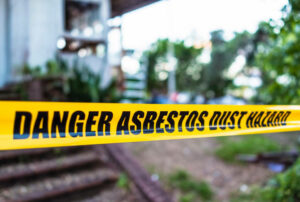 The work-related fatal injuries statistics relate specifically to work-related accidents and do not therefore include deaths as a result of occupational diseases or occupational exposures.
Separate annual figures are published for mesothelioma deaths. This is a type of cancer caused by past exposure to asbestos. The most recent figures show that 2,146 people died from mesothelioma in Britain in 2024. This represents a fall of 109 compared with 2023 and is substantially lower than the ten-year average of 2,508 annual deaths from 2011-2020.
Current deaths from mesothelioma still in large part reflect work-related exposure to asbestos which occurred before the 1980s. Annual deaths are expected to continue to fall during the next decade as we move further from the point when the use of asbestos was completely banned in the UK in 1999.
Protecting worker health and safety
 First Response Training (FRT) is one of the UK’s largest and leading national training providers.
They deliver a wide and diverse range of training for businesses and organisations across all industry sectors and throughout the UK. Their course range includes training in the fields of health and safety, first aid, fire safety, manual handling, mental health, food safety, health and social care and more.
Their health and safety training is mapped to UK standards and legislation and follows HSE guidelines. The portfolio includes courses such as Health and Safety, Managing Health and Safety, Risk Assessment, Accident and Incident Investigation, Working at Height, Asbestos Awareness and many more.
Based on a common sense, proportionate approach to workplace safety, training helps learners to understand the true benefits of creating a healthy and safe environment at work.
A trainer from FRT explains:
“We believe in creating safer working environments with people who care.
“Any life lost at work is one too many and we must continue to be vigilant about health and safety standards and ensure we are providing suitable and sufficient training for our staff as well as appropriate control measures, safe systems of work and procedures to protect them from harm and significantly reduce work-related fatalities across all sectors.”
For more information on any of the training courses that FRT can provide, please call them today on freephone 0800 310 2300 or e-mail info@firstresponsetraining.com.