
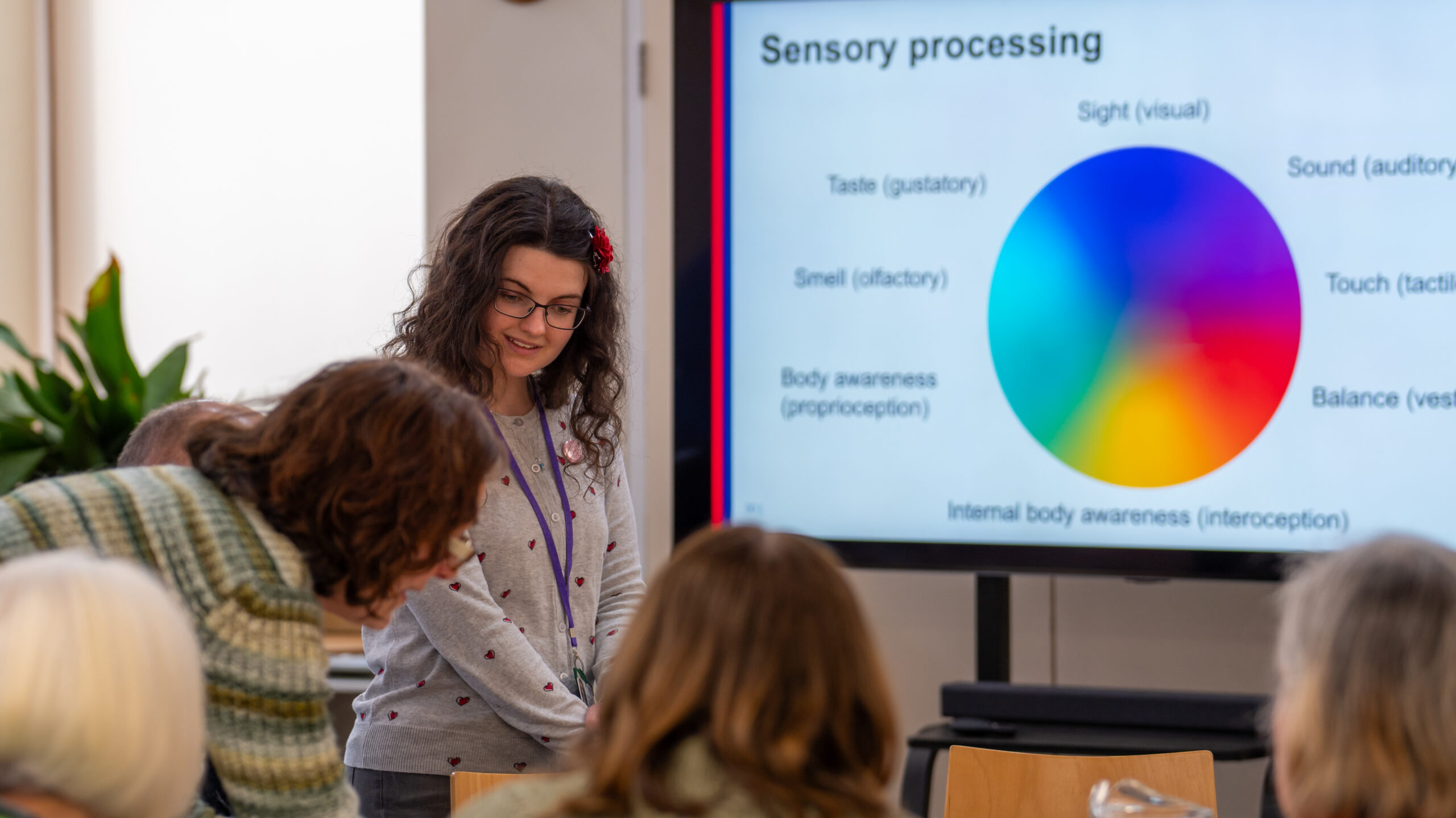
What Is Neurodiversity?
Neurodiversity is a term used to describe the natural differences in how people’s brains function, process information, communicate, learn and experience the world.
Every individual thinks and processes information differently. However, some people have neurological differences that influence how they experience everyday activities, interact with others and approach particular tasks.
These differences are often described as neurodivergence.
Neurodiversity is becoming an increasingly important subject across workplaces, schools, colleges, early years settings and health and social care environments. Understanding it is essential for organisations that want to create inclusive environments where everyone has the opportunity to participate, develop and reach their potential.
But what exactly does neurodiversity mean, what are the different types of neurodivergence, and how can organisations provide appropriate support?
What Is the Difference Between Neurodiversity and Neurodivergence?
Although the terms are often used interchangeably, they have slightly different meanings.
Neurodiversity describes the natural variation in how human brains function. It recognises that there is no single way for the human brain to think, learn, communicate or process information.
Neurodivergent describes an individual whose neurological development or functioning differs from what is generally considered typical.
For example, someone who is autistic, has ADHD or is dyslexic may identify as neurodivergent.
Neurotypical is a term used to describe individuals whose neurological functioning aligns more closely with what society generally considers typical.
It is important to recognise that neurodivergence is not an illness that needs to be cured. It is a different way of experiencing and interacting with the world. Some neurodivergent individuals may require additional support, adjustments or specialist services, while others may not.
What Are the Different Types of Neurodivergence?
Neurodivergence covers a broad range of neurological differences. Some of the most commonly recognised include:
Autism
Autism is a lifelong neurodevelopmental difference that can affect how someone communicates, interacts with others, processes information and experiences the world around them.
Autistic individuals may have differences in social communication, sensory processing, routines and interests.
Autism is a spectrum, meaning that every autistic person has their own combination of strengths, characteristics and support requirements.
Attention Deficit Hyperactivity Disorder (ADHD)
ADHD is a neurodevelopmental condition that can affect attention, impulsivity and activity levels.
People with ADHD may experience difficulties with organisation, time management, concentration or regulating attention. Others may demonstrate high levels of creativity, energy and the ability to focus intensely on subjects that interest them.
ADHD presents differently in different individuals.
Dyslexia
Dyslexia is a learning difference that primarily affects skills involved in reading, spelling and written language.
Individuals with dyslexia may find processing written information, spelling or organising written work challenging. Some may also demonstrate strengths in areas such as problem-solving, creativity and visual thinking.
Dyspraxia (Developmental Coordination Disorder)
Dyspraxia can affect physical coordination, movement, organisation and planning.
Individuals may experience difficulties with tasks involving fine motor skills, balance, sequencing or managing multiple activities.
Dyscalculia
Dyscalculia affects the ability to understand and work with numbers. Individuals may find mathematical concepts, calculations, estimating quantities and understanding numerical information challenging.
Tourette Syndrome
Tourette Syndrome is a neurological condition characterised by involuntary movements and sounds known as tics. The frequency and severity of these can vary considerably between individuals.
There are other neurological differences and conditions that may also be discussed within the wider context of neurodivergence.
It is important to remember that neurodivergent individuals do not necessarily share the same experiences, characteristics or support needs, even when they have the same diagnosis.
Is a Learning Disability the Same as Neurodivergence?
No. Although learning disabilities and neurodivergence are related subjects, they are not interchangeable.
A learning disability affects how someone learns, understands information and communicates. It is generally associated with differences in intellectual functioning and everyday adaptive skills, with the condition originating during the developmental period.
Autism and ADHD are neurodevelopmental conditions, but they are not automatically learning disabilities.
Some individuals may be autistic and have a learning disability, while others may be autistic without having one.
Understanding this distinction is particularly important for health and social care professionals, as individuals may have different communication, support and care requirements.
Why Is Understanding Neurodiversity Important?
Greater awareness of neurodiversity can help organisations remove unnecessary barriers and create environments that recognise individual differences.
This is particularly important in three key areas.
1. The workplace
Employers have a responsibility to create fair and inclusive working environments.
Neurodivergent employees may benefit from adjustments to their working environment, communication methods, responsibilities or management approach.
For example, providing written instructions, reducing unnecessary background noise or offering additional time to process information can make a significant difference.
Understanding neurodiversity can also help managers recognise the strengths and abilities of employees who may approach tasks differently.
2. Education and early years
Teachers, teaching assistants, nursery practitioners and childcare professionals play an important role in supporting neurodivergent children.
Understanding differences in communication, sensory processing, attention and learning can help education professionals adapt their approaches to meet individual needs.
Creating an inclusive learning environment means recognising that children do not all learn or develop in the same way.
3. Health and social care
Health and social care professionals regularly support individuals with a wide range of neurological differences.
Understanding neurodiversity can help staff communicate more effectively, recognise individual needs and provide person-centred care.
It can also help reduce the risk of diagnostic overshadowing, where symptoms or health concerns are incorrectly attributed to an individual’s existing diagnosis or disability.
How Can Organisations Become More Neurodiversity-Inclusive?
Becoming more inclusive does not necessarily require significant changes to an organisation’s existing processes.
Often, small adjustments and a better understanding of individual needs can make a considerable difference.
Organisations can start by:
-
Providing neurodiversity awareness training for employees and managers.
-
Encouraging open conversations about individual needs.
-
Reviewing workplace, classroom and care environments for potential barriers.
-
Offering alternative communication methods where appropriate.
-
Making reasonable adjustments to support individuals.
-
Listening to neurodivergent people and involving them in decisions that affect them.
-
Developing policies that promote equality, inclusion and understanding.
Training is particularly valuable because it helps staff move beyond general awareness and develop practical skills they can apply in their everyday roles.
Why Is Neurodiversity Training Important?
Neurodiversity training helps individuals understand different neurological conditions and recognise how they can affect communication, learning, behaviour and everyday experiences.
It can also help challenge misconceptions, reduce unconscious bias and encourage more inclusive approaches.
For employers, this can contribute to a more supportive working environment.
For educators, it can improve understanding of how to support children with different learning and communication needs.
For health and social care professionals, it can strengthen person-centred care and improve the experience of individuals accessing services.
First Response Training offers a range of specialist courses covering autism, ADHD, learning disabilities, dyslexia and sensory processing.
These include:
-
Level 2 Award in ADHD Awareness.
-
Level 2 Award in Understanding Autism.
-
Level 2 Award in Learning Disability Awareness.
-
Level 2 Award in Learning Disability and Autism.
-
Level 3 Award in Working with Autistic People.
-
Dyslexia Awareness.
-
Sensory Processing training.
Training can be delivered through classroom-based sessions or interactive webinars, depending on the course.
Building a More Inclusive Future
Neurodiversity is an important subject for every organisation that works with, employs or supports people.
By developing a better understanding of neurological differences, employers, educators and care professionals can create environments that recognise individual strengths, provide appropriate support and remove unnecessary barriers.
The starting point is education.
Whether you are an employer looking to develop a more inclusive workforce, a school wanting to improve SEND provision or a care provider looking to strengthen staff knowledge, appropriate training can make a meaningful difference.
Find out more about First Response Training’s Neurodiversity Training Courses and discover how we can help your organisation develop a more inclusive and knowledgeable workforce.
